
Complete List of GI Tagged Agriculture Products in India – Origins, Seasons and Guide
The complete list of GI tagged agriculture products in India covers premium crops like Darjeeling Tea, Alphonso Mango, and Basmati Rice, which possess specific regional qualities. This guide explains the botanical characteristics, harvest seasons, and geographical origin of every major protected Indian crop.
Table of Contents
- What are GI Tagged Agriculture Products in India?
- Which was the First Agricultural GI Tagged Product in India?
- What are the Most Popular GI Tagged Grains and Rice Varieties in India?
- Which are the Famous GI Tagged Fruits in India?
- What are the Key GI Tagged Tea and Beverage Varieties in India?
- What are the Prime GI Tagged Spices of India?
- Which Indian State holds the Highest Number of Agricultural GI Tags?
- Frequently Asked Questions About GI Tagged Agriculture Products in India
What are GI Tagged Agriculture Products in India?
GI tagged agriculture products in India are regionally grown crops that carry an official origin certification guaranteeing their unique quality. The government grants this intellectual property protection to safeguard traditional farming methods and regional microclimates.
The term Geographical Indication serves as a powerful quality marker in the agricultural sector. It protects agricultural crops from cheap imitations. A GI Tag connects a specific crop directly to its geographic place of origin. The soil profile, the local rainfall patterns, and the traditional farming methods determine the final quality of these crops.
Indian farmers cultivate diverse crops across different states. The GI Registry in Chennai evaluates and approves the geographical indication applications for these crops. This legal framework provides intellectual property protection to authorized producers. It prevents outside farmers from using the protected regional names. If a farmer grows tea in Kerala, that farmer cannot sell it as Darjeeling Tea.
Consumers trust the origin certification when they buy premium quality foods. The certification ensures that buyers receive genuine products. Export quality items fetch higher prices in international markets. The Agricultural and Processed Food Products Export Development Authority (APEDA) monitors the export of these agricultural crops. This organization helps local farmers reach global buyers effectively.

To learn more about the legal framework, you can read our guide on what is a GI tag and its legal benefits. You can also check the GI tag full form and meaning to understand the core concepts.
Which was the First Agricultural GI Tagged Product in India?
Darjeeling Tea was the first agricultural GI tagged product in India, receiving its official registration in 2004. This tea grows in the high altitude mountain slopes of West Bengal and offers a delicate muscatel flavor.
The Geographical Indications Registry granted the first official certification to Darjeeling Tea. The application number was 1. The tea gardens in the Darjeeling district of West Bengal cultivate this premium beverage. The specific microclimate of this region plays a crucial role. The constant mist and the highly acidic soil create the perfect environment for these tea bushes.
The unique characteristic of Darjeeling Tea is its floral aroma and delicate muscatel flavor. Tea connoisseurs worldwide recognize this specific taste profile. The harvest season spans from April to November. The plucking involves intensive manual labor. Workers handpick the top two leaves and a bud.
This initial registration established a strong precedent for intellectual property protection in Indian agriculture. It secured the livelihoods of thousands of plantation workers. The protection stopped international companies from selling ordinary black tea under the Darjeeling name. This success motivated other regional farming communities to apply for their own geographical indication tags.
What are the Most Popular GI Tagged Grains and Rice Varieties in India?
The most popular GI tagged grains and rice varieties in India include Basmati Rice, Wayanad Jeerakasala Rice, Gobindobhog, and Joha Rice. These premium grains feature distinct aromas and specific regional cultivation requirements.
India produces several premium rice varieties that hold official origin certification. Each rice type requires a specific soil profile and traditional farming methods.
Basmati Rice Basmati Rice originates from the Indo-Gangetic Plains. The cultivation area covers Punjab, Haryana, and Himachal Pradesh. The unique characteristic of Basmati is its extra-long slender grains. The rice releases an aromatic smell upon cooking and maintains a fluffy texture. The harvest season peaks in late autumn. APEDA tightly regulates the export quality standards for Basmati rice to maintain international reputation.
Wayanad Jeerakasala Rice Wayanad Jeerakasala Rice comes from the Wayanad district in Kerala. This short-grain aromatic rice shares its name with cumin seeds due to its physical appearance. Farmers use traditional farming methods to grow this crop. The rice offers a distinct fragrance that makes it essential for authentic Malabar biryani.
Gobindobhog Rice Gobindobhog Rice grows primarily in the Bardhaman district of West Bengal. It is a short-grain, white, aromatic rice. The local microclimate provides the exact humidity required for its sweet flavor. The crop ripens during the late monsoon season.
Joha Rice Joha Rice originates from Assam. It features a unique sweet aroma and excellent cooking qualities. The fertile soil of the Brahmaputra valley supports its organic cultivation. This rice variety commands premium pricing in domestic markets due to its rich taste and limited production area.
Which are the Famous GI Tagged Fruits in India?
The famous GI tagged fruits in India include Alphonso Mango, Nagpur Orange, Shahi Litchi, and Mahabaleshwar Strawberry. These fruits rely on regional soil profiles and specific harvest seasons for their premium quality.
India cultivates a massive variety of fruits that carry origin certification. These fruits dominate the agricultural export markets. You can view our complete list of GI tagged fruits for more details.
Alphonso Mango Alphonso Mango originates from the Ratnagiri and Devgad districts of Maharashtra. Its unique characteristic is the saffron-yellow skin and non-fibrous creamy pulp. The fruit releases a sweet, intense aroma. The peak harvest season runs from March to May. The specific laterite rock soil of the Konkan coast creates this premium quality fruit.
Nagpur Orange Nagpur Orange comes from the Vidarbha region of Maharashtra. The loose skin and sweet-sour juice make this fruit highly popular. The local weather provides the necessary chill during winter. The harvest season peaks between December and March.
Coorg Orange Coorg Orange grows in the Kodagu District of Karnataka. The fruit features a tight skin and a very sweet juice profile. The high altitude of the Western Ghats supports its organic cultivation.
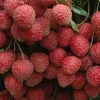
Shahi Litchi Shahi Litchi originates from Muzaffarpur, Bihar. The unique characteristic of this fruit is its juicy sweet pulp and thin skin. It possesses a distinct pleasant aroma. The harvest season is extremely short, lasting only from May to June. The calcium-rich soil of the region determines the fruit quality.
Banaganapalle Mango Banaganapalle Mango comes from the Kurnool District of Andhra Pradesh. The fruit has an oblong shape and fiberless sweet yellow pulp. It holds its shape well when cut. The peak season occurs in April and May.
Mahabaleshwar Strawberry Mahabaleshwar Strawberry grows in the hilly terrain of Maharashtra. The cool microclimate allows the berries to develop a deep red color and high sugar content. The harvest season runs from November to March.
What are the Key GI Tagged Tea and Beverage Varieties in India?
The key GI tagged tea varieties in India are Darjeeling Tea, Assam Tea, and Kangra Tea. These premium beverages grow in specific mountainous microclimates and undergo precise traditional harvesting methods.
India ranks among the top tea producers globally. The geographical indication system protects the botanical characteristics of regional tea plants. You can explore our dedicated guide to GI tagged tea varieties.
Assam Tea Assam Tea grows in the low-lying plains of the Brahmaputra Valley in Assam. The unique characteristic of this tea is its bold, malty flavor and dark cup color. The heavy monsoon rains and high humidity create a greenhouse effect. This microclimate forces the tea leaves to grow rapidly. The prime harvest season is from May to October.
Kangra Tea Kangra Tea originates from the Kangra Valley in Himachal Pradesh. The tea bushes grow at high altitudes in the Dhauladhar mountain range. The unique characteristic of Kangra tea is its pungent, slightly sweet flavor. The cool weather and specific soil profile limit the production volume. This makes the tea highly exclusive in the market.
Nilgiri Tea Nilgiri Tea comes from the Blue Mountains of Tamil Nadu. The high altitude and evenly distributed rainfall allow tea production throughout the year. The tea offers a brisk, fragrant flavor. The constant cool weather protects the leaves from burning in the sun.
What are the Prime GI Tagged Spices of India?
The prime GI tagged spices of India include Malabar Pepper, Naga Mircha, and Alleppey Green Cardamom. These spices feature high essential oil content and require specific organic cultivation techniques.
Indian spices enjoy immense global demand. The intellectual property protection ensures that authorized producers maintain strict quality control.
Malabar Pepper Malabar Pepper originates from the Western Ghats region covering Kerala, Karnataka, and Tamil Nadu. The unique characteristic of this spice is its high piperine content. The pepper delivers a pungent heat and a deep black color. The heavy monsoon rains provide the required moisture for the pepper vines. The harvest season occurs between December and March.
Naga Mircha Naga Mircha comes from the state of Nagaland. This chili holds one of the highest Scoville heat units in the world. Its unique characteristic is the extreme pungent aroma and intense heat. The tribal farmers use traditional farming methods to cultivate this crop. The harvest season runs from July to September.
Alleppey Green Cardamom Alleppey Green Cardamom grows in the Idukki district of Kerala. The spice features a bold green color and high essential oil content. The forest canopy of the Western Ghats provides the necessary shade. The harvest season starts in August and ends in February.
Which Indian State holds the Highest Number of Agricultural GI Tags?
Maharashtra holds the highest number of agricultural GI tags in India, closely followed by Karnataka and Kerala. The diverse microclimates across these states support a massive variety of traditional farming methods.
The state-wise distribution of geographical indication tags highlights the agricultural wealth of India. The GI Registry approves new applications every year.
Maharashtra leads the country in agricultural tags. The state features diverse weather zones, ranging from the humid Konkan coast to the dry Vidarbha region. This diversity allows farmers to grow premium crops like the Alphonso Mango, Nagpur Orange, Jalgaon Banana, and Lasalgaon Onion. The local government actively supports farmer associations in filing for intellectual property protection.
Karnataka ranks very high in the list. The state benefits from the fertile soil of the Western Ghats. Farmers in Karnataka cultivate Coorg Orange, Mysore Betel Leaf, and various premium coffee beans. The traditional farming methods in Karnataka focus heavily on organic cultivation.
Kerala contributes significantly to the national total. The state specializes in premium spices and unique rice varieties. Products like Malabar Pepper, Wayanad Jeerakasala Rice, and Navara Rice define the agricultural heritage of Kerala.
Uttar Pradesh and Bihar also hold critical agricultural tags. Uttar Pradesh produces the famous Allahabad Surkha Guava and Malihabadi Dusseheri Mango. Bihar is world-famous for its Shahi Litchi and Magahi Paan.
Frequently Asked Questions About GI Tagged Agriculture Products in India
Can any farmer sell agricultural products using a GI tag name?
No. Any farmer cannot sell agricultural products using a GI tag name. Only authorized producers who farm within the exact geographical boundary and follow the registered traditional methods can legally use the tag.
Does the unique soil of a place affect agricultural GI tags?
Yes. The unique soil of a place directly affects agricultural GI tags. The specific soil profile provides necessary minerals that define the taste, aroma, and physical characteristics of the registered crop.
How long is a geographical indication tag valid for crops?
A geographical indication tag is valid for 10 years for agricultural crops. The authorized producers must submit a renewal application to the registry office to maintain their legal protection after this period.
Where can buyers purchase original agricultural GI products online?
Buyers can purchase original agricultural GI products online through certified seller platforms. You can buy authentic GI products online from verified marketplaces that check the registration certificates of the producers.
Who certifies geographical indication tags for Indian agriculture?
The Geographical Indications Registry in Chennai certifies the tags for Indian agriculture. Government bodies like APEDA also help regulate the export quality and authenticate the supply chain for international buyers.
This guide provides the complete picture of Indian agricultural diversity. We encourage consumers to support authorized producers and experience the premium quality of original regional crops.