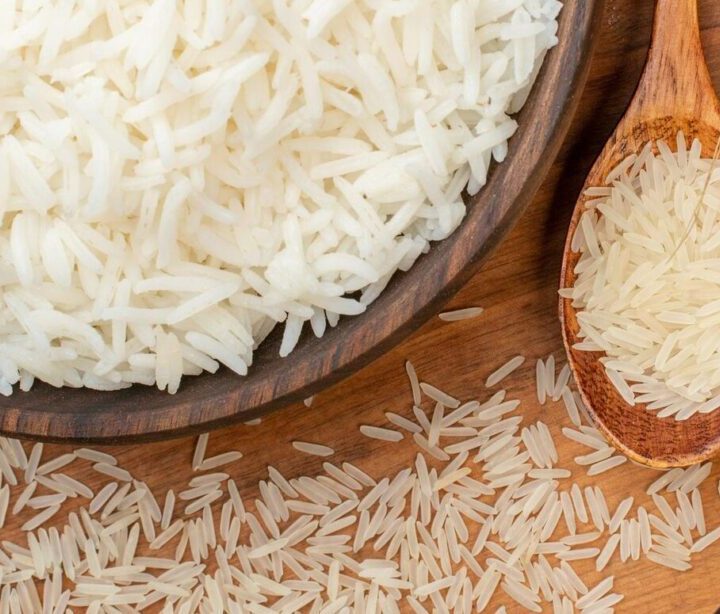
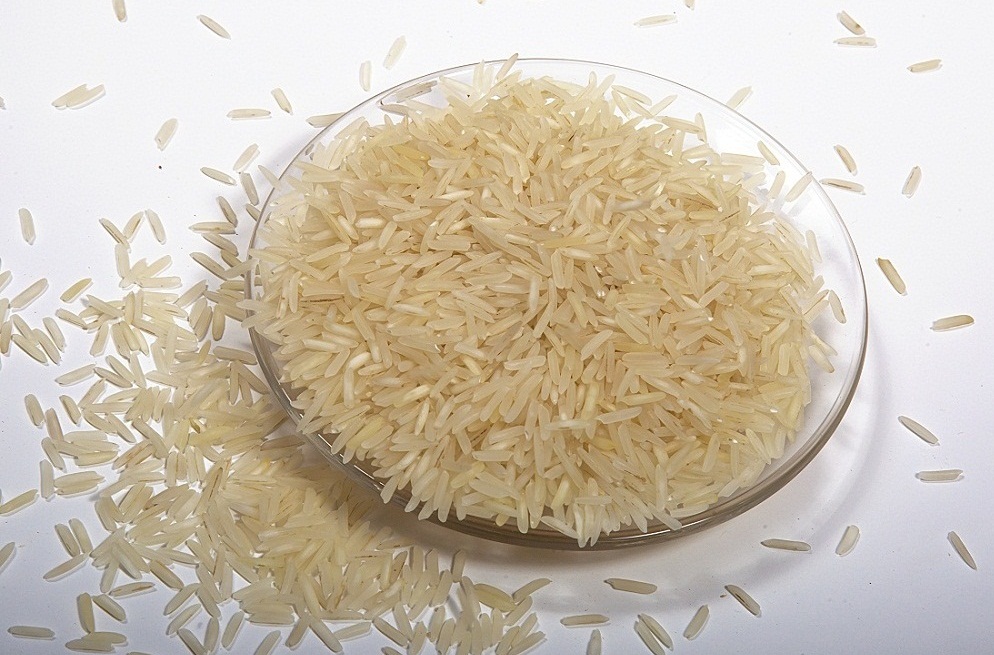
Derived from the Sanskrit words ‘Bas’ (aroma) and ‘Mati’ (ingrained), Basmati is more than just rice—it is “the one containing aroma.” Grown for centuries in the fertile Indo-Gangetic plains, this legendary grain is nature’s gift to the culinary world. Unlike ordinary rice, Basmati undergoes a patient aging process, ensuring that every grain cooks up fluffy, separate, and exceptionally long.
GI Authentication & Quick Facts
As a multi-state Geographical Indication, Basmati is protected to ensure that only rice grown in the specific agro-climatic zones of Northern India can carry the name.
Feature
Details
GI Name
Basmati Rice
GI Certificate No.
GI-238 (Application No. 145)
Status
Registered & Active (Since Feb 15, 2016)
Category
Agriculture (Class 30)
Authorized Regions
Punjab, Haryana, Himachal Pradesh, Uttarakhand, Western UP, Jammu & Kashmir, and Delhi
Key Characteristic
Linear elongation (grains get longer, not wider)
What Makes it “True” Basmati?
The unique combination of soil, mountain-fed water, and cool climate in the Indo-Gangetic plains creates a DNA profile that cannot be replicated elsewhere.
The Aroma: A distinctive fragrance produced naturally by the accumulation of specific aroma compounds during cool nights.
Linear Elongation: When cooked, the grains elongate to at least double their original size without becoming thick or sticky.
The Texture: Known for being exceptionally fluffy and non-sticky, making it the gold standard for Biryanis and Pulaos.
The Aging Secret: Premium Basmati is aged for 6 to 24 months. This reduces moisture, intensifies the aroma, and ensures the grains don’t break during cooking.
Genuine vs. “Basmati-Style”
With India holding 65% of the global market, many imitations exist. Protect your kitchen by looking for these markers:
Check the GI Logo: Look for the official Geographical Indication and APEDA (Agricultural and Processed Food Products Export Development Authority) certifications.
Avoid the “Style” Trap: Beware of labels like “Basmati-type” or “Premium Long Grain.” If it doesn’t say “Basmati” and list a GI-notified origin, it isn’t authentic.
The Physical Test: Authentic grains are long and slender with slightly pointed ends. When cooked, they should remain separate—never mushy.
The Price Point: True aged Basmati (especially variants like 1121 or Dehraduni) reflects the cost of careful cultivation and years of storage.
Social & Economic Impact
Basmati is one of India’s fastest-growing export items, valued at over $13.5 Billion globally.
Farmer-Led: Supports millions of small and marginal farmers across the northern plains.
Global Pride: Recognized by the EU to stop foreign exploitation of traditional farming names.
Heritage:A symbol of prosperity and purity, serving as the centerpiece of Indian weddings and festivals for over 2,500 years.