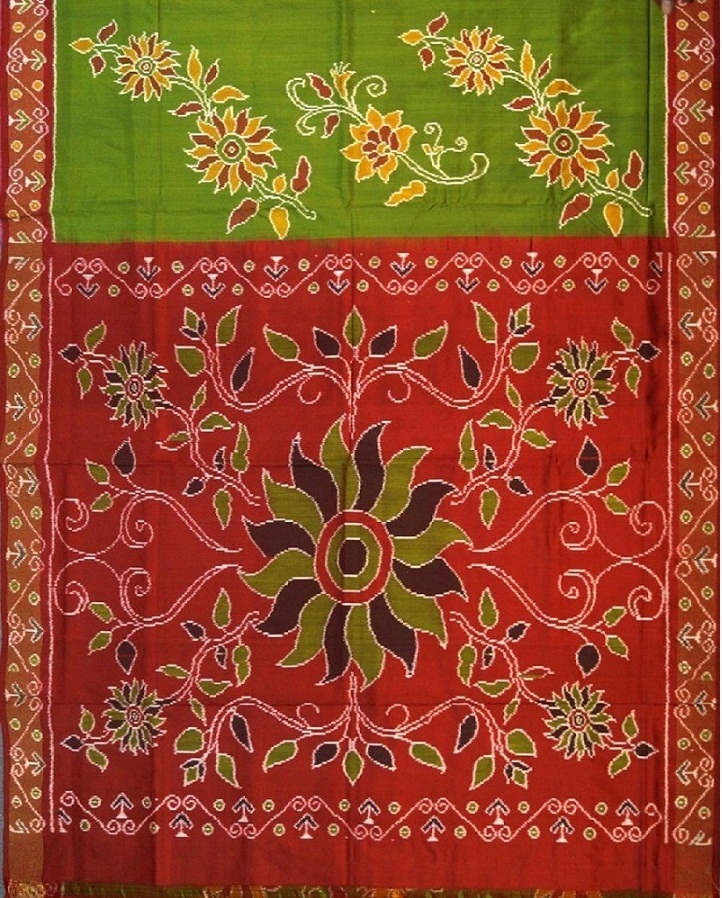
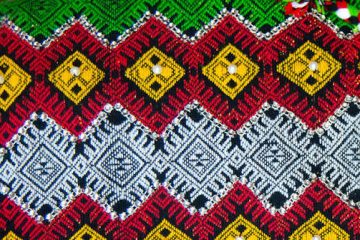
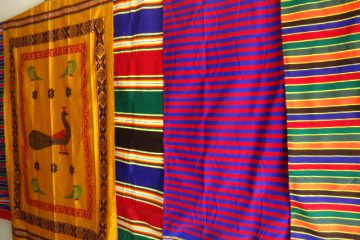
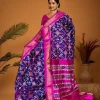
Pochampally Ikat (popularly known as Chitki or Pogudubandhu) is a celebration of sharp geometry and mesmerizing symmetry. Originating from the historic town of Bhoodan Pochampally, this extraordinary textile is crafted using an ancient resist-dyeing technique where the warp and weft yarns are systematically tied and dyed before they ever touch the loom. Famed for its signature Chowka (diamond-within-a-square) grids and radiant color pairings, a genuine Pochampally Ikat is perfectly reversible, soft as a second skin, and recognized worldwide as a pinnacle of complex textile engineering.
Why this is different
A Historic Milestone: Registered under GI Application No. 4 (Certificate No. 3), Pochampally Ikat holds the proud distinction of being one of the first-ever traditional crafts in India to be granted Geographical Indication status.
True Reversible Weaving: Because the design is dyed directly into the structural yarns rather than printed onto a finished sheet, an authentic Pochampally Ikat appears perfectly identical on both sides.
The Multiverse of Fiber: While Odisha’s Ikat is primarily cotton and Gujarat’s Patola is exclusively silk, Pochampally sets itself apart by mastering pure silk, breathable cotton, and Sico (a flawless blend of both).
Six-Cord Mulberry Silk: Woven with ultra-supple, high-grade 6-cord Mulberry silk yarns, giving the luxury variants an unmatched, fluid drape.
Benefits
The Art of the “Asu” & Loom
The journey of a single Pochampally saree takes anywhere from 7 to 30 days of meticulous manual planning. The math behind aligning pre-dyed threads to form crisp shapes on a manual pit loom is so complex it has earned the cluster a place on UNESCO’s tentative list of World Heritage Sites.
All-Weather Luxury
Breathable Cotton: Exceptionally thin, light, and structured—perfectly tailored for warm, tropical climates.
Sico Blends: Combines the daily breathability of organic cotton with the structural shimmer and elegance of silk.
Soft Silk Drapery: Uses refined Mulberry silk that lacks the rigid stiffness of artificial fibers, settling into a heavy, graceful fall.
Empowering Telangana Weavers
Your purchase bypasses standard commercial factories to support a vast ecosystem of over 10,000 active weaving families across 80 historic rural villages in the Yadadri Bhuvanagiri region.
Feature Specs: Choose Your Weave
The Telia Rumal Legacy: Heavily inspired by the 19th-century oil-cured squares favored by the Nizams of Hyderabad, featuring classic red, black, and cream geometric borders.
Double Ikat (Pochampally Pattu): The ultimate test of weaver skill, where both the vertical warp and horizontal weft are dyed independently to generate incredibly sharp shapes.
Sico Ikat: A sophisticated composition of premium cotton and genuine silk threads, balancing functional durability with celebratory gloss.
The Pochampally Silk Saree is an essential masterpiece for South Indian weddings and major festivals, serving as a loud statement of cultural pride and elite taste.
The Corporate Edge
Our Pochampally Cotton and Sico sarees offer a clean, non-slip, structured drape that handles regular daytime wear with effortless grace.
The Collector’s Textile
Due to its flawless mathematical design, individual yardages and Double Ikat pieces are deeply prized by global design studios and textile connoisseurs.
Genuine vs. Fake: Buyer Safety
How to identify an authentic handwoven Pochampally Ikat:
Look for the “Feathered” Blur: Authentic Ikat patterns naturally feature a very soft, slightly blurry edge where colors intersect. This beautiful “feathered effect” occurs during the tie-and-dye process. If the pattern lines are clinically sharp like a graphic layout, it is a cheap screen print.
The Double-Sided Proof: Turn the fabric over. Real Ikat is identical on the front and back. Machine prints leave a pale, washed-out, or completely white finish on the reverse.
The Texture Feel: Handloom Pochampally handles with a soft, texturized breathability. Powerloom replicas feel perfectly uniform, overly slick, or carry a stiff, plastic-like artificial sheen.
The Pure Silk Burn Test: Pull a loose fringe thread from the silk variant and burn it. True Mulberry silk smells like burnt hair and leaves a powdery ash. Synthetic replicas tarnish with a harsh plastic odor and melt into a hard chemical bead.
FAQ
Why does my new Ikat feel slightly stiff? Authentic handwoven textiles are treated with natural rice starch post-production to preserve thread alignment on the loom. It will soften into a fluid drape after a single dry clean or wear.
How do I wash my Pochampally saree? For pure silk and complex sico weaves, dry cleaning is strictly recommended. Premium cotton variants can be gently hand-washed in cold water using a mild shampoo or silk detergent. Never wring or dry under direct sunlight.
What does the word “Ikat” mean? It is derived from the Indonesian word mengikat, meaning “to tie or bind.” It directly mirrors the Chitki process of tying sections of yarn before dipping them in dye baths.
Are these sarees powerloom products? Never. Every product under our collection is officially certified by the Pochampally Handloom Weavers Cooperative Society, woven exclusively on manual pit looms.
Quality Guarantee
Directly collected from certified weaver hubs in Koyalgudam and Bhoodan Pochampally. Hand-graded to ensure the natural density of the yarn remains untainted by industrial processors.