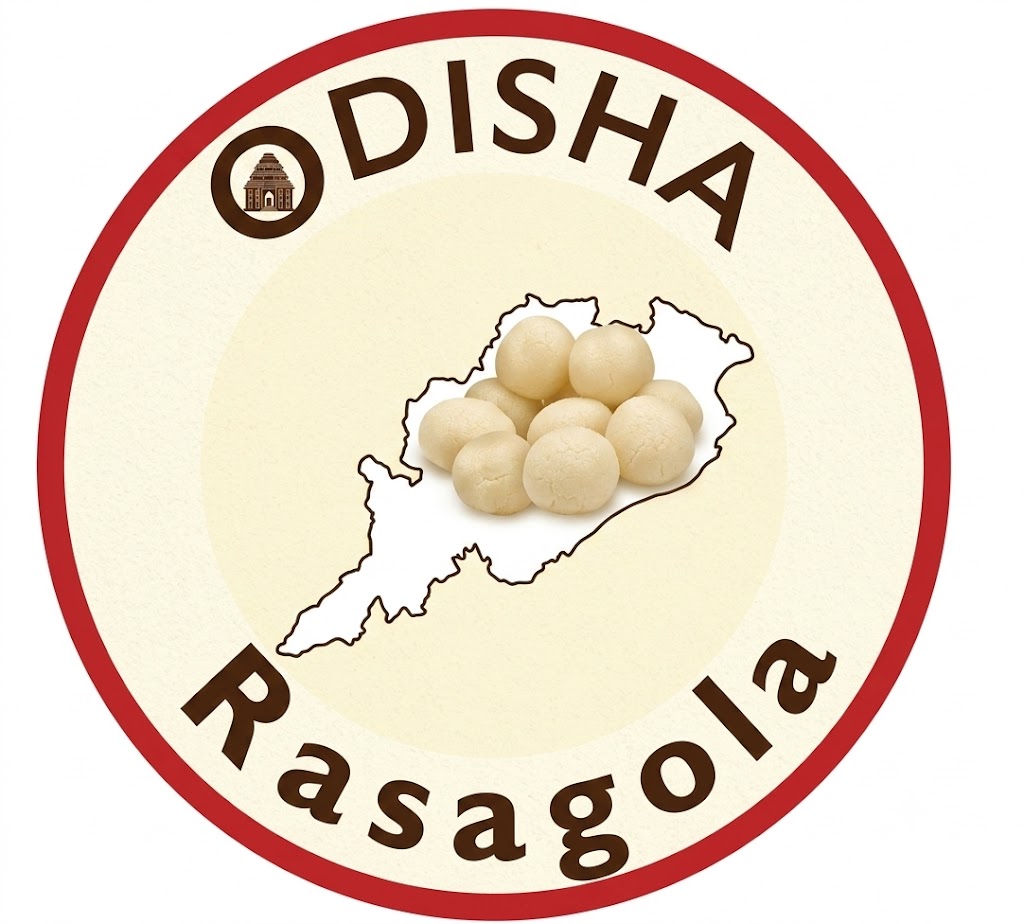
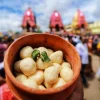
Step into a culinary tradition born in the holy city of Puri. The Odisha Rasagola is not just a dessert; it is a sacred offering (bhog) prepared for centuries to appease Goddess Lakshmi at the grand Jagannath Temple. Traced back to the 12th century, this legendary sweet is defined by its incredibly delicate, non-chewy texture that literally melts in the mouth without needing teeth pressure. Slowly simmered to achieve a unique cream-to-caramel hue, this multi-state GI-tagged delicacy is a testament to the master halwais of Odisha, bringing a taste of divine reconciliation straight to your home.
Why this is different
Official GI Tag Authentication: Registered under GI Certificate No. 345 (Application No. 612), legally protecting the unique production methods verified across Odisha.
The “Melt-in-Mouth” Texture: Unlike modern rubbery or spongy variants, the authentic Odisha Rasagola is prized for its low-elasticity, ultra-soft structure.
Caramelized Sweetness: The cooking process turns the sugar syrup into a light, clear profile with delicate caramelized notes rather than a dense, throat-burning sugar concentration.
Niladri Bije Heritage: Celebrated annually on Rasagola Dibasa, this sweet represents the ultimate symbol of love and peacemaking in Odia culture.
Benefits
The Art of Curd Manipulation
The soul of a true Odisha Rasagola lies in its Chhena (fresh cottage cheese). Master artisans hand-knead the full-cream cow milk curd with just a hint of semolina, forming delicate, smooth rounds that expand beautifully in boiling syrup without ever developing a tough, rubbery core.
Pure Dairy Livelihood
Fresh Cow Milk Basis: Uses high-quality dairy fats sourced from thousands of local dairy farmers across the coastal plains.
No Artificial Bleaches: The soft cream or light brown hue is entirely natural, resulting from the syrup cooking process—never treated with toxic whitening chemicals.
Sustaining 14,000 Sweet Makers: Every purchase supports the traditional sweet-making clusters of Pahala and Salepur, preserving ancient culinary secrets.
Feature Specs: Iconic Regional Variants
Pahala Rasagola: Hailing from the famous roadside hub between Bhubaneswar and Cuttack. Unbelievably soft, piping hot, and delicate.
Salepur Rasagola: Known for its slightly larger size, robust texture, and deep syrup absorption, pioneered by legendary local confectioners.
Kheer Mohana: The historic grand ancestor of the modern rasagola, featuring a deep flavor profile rooted heavily in ancient culinary lore.
GI Authentication & Specifications
Feature
Details
GI Product Name
Odisha Rasagola
GI Certificate No.
345 (Application No. 612)
Authorized Region
State of Odisha (Core hubs in Pahala & Salepur)
GI Class
Class 29 & 30 (Food Stuffs)
Primary Ingredient
Fresh, full-cream Cow Milk Chhena
Texture Identity
Non-chewy, ultra-soft, light caramel tint
Use Cases & Tasting Ritual
The Traditional Feast
Serve slightly warm in a clay pot (kudua) to honor its historic temple roots. The porous clay absorbs excess moisture, highlighting the rich, milky essence of the chhena.
Festive Celebrations
The absolute centerpiece for Odia festivals, family gatherings, and weddings. It acts as a symbol of hospitality and cultural pride across generations.
Gourmet Confectionery Gifting
Packaged in premium, syrup-sealed boxes, it makes an elite heritage gift for food connoisseurs and international guests looking to experience authentic Indian flavors.
Genuine vs. Fake: Buyer Safety
How to identify an authentic Odisha Rasagola:
Look for the Tint: Authentic Odisha Rasagola is never stark white. It features a natural cream, off-white, or light caramel hue caused by the slow boiling of sugar. A blindingly white color indicates chemical bleaching.
The Pressure Test: Gently squeeze the sweet. An authentic version yields immediately and is incredibly soft. If it feels rubbery, springs back like a synthetic sponge, or requires effort to chew, it contains excessive starch or maida fillers.
The Syrup Consistency: True Odisha Rasagolas sit in a light, clear, watery sugar syrup. Counterfeit or low-grade versions are often drenched in thick, heavy corn starch syrup to artificially mask low-quality chhena.
Perform the Water Test: Drop a piece into a glass of ambient water. A genuine, well-cooked chhena rasagola will settle gently toward the bottom as it retains its structure, whereas poorly bound, flour-heavy counterfeits may dissolve prematurely or float due to trapped gases.
FAQ
How is it different from a Bengali Rasgulla? While both are legendary, the Bengali version is typically stark white, spherical, and has a distinct spongy, rubbery spring. The Odisha Rasagola is prized for its caramel-cream tint, delicate syrup, and an ultra-soft consistency that melts effortlessly without chewing resistance.
How should I store it? Since it is free from heavy chemical preservatives, store it in its syrup inside a refrigerator. Consume within 3–5 days. Warm it slightly before serving to revive its velvety, soft texture.
What is Rasagola Dibasa? It is a statewide celebration in Odisha occurring on the day of Niladri Bije (the return of Lord Jagannath), honoring the sweet’s deep 12th-century religious roots.
Is it safe for people with gluten sensitivities? Authentic recipes use a tiny pinch of semolina (sooji) purely for binding the cottage cheese. It is predominantly dairy-based but does contain minimal gluten.
Quality Guarantee
Sourced directly from authorized sweet-making clusters in Pahala and Salepur. Free from artificial texturizers, vegetable fat substitutes, or synthetic sweeteners. We guarantee an untainted taste of Odisha’s absolute pride.