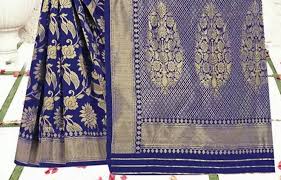
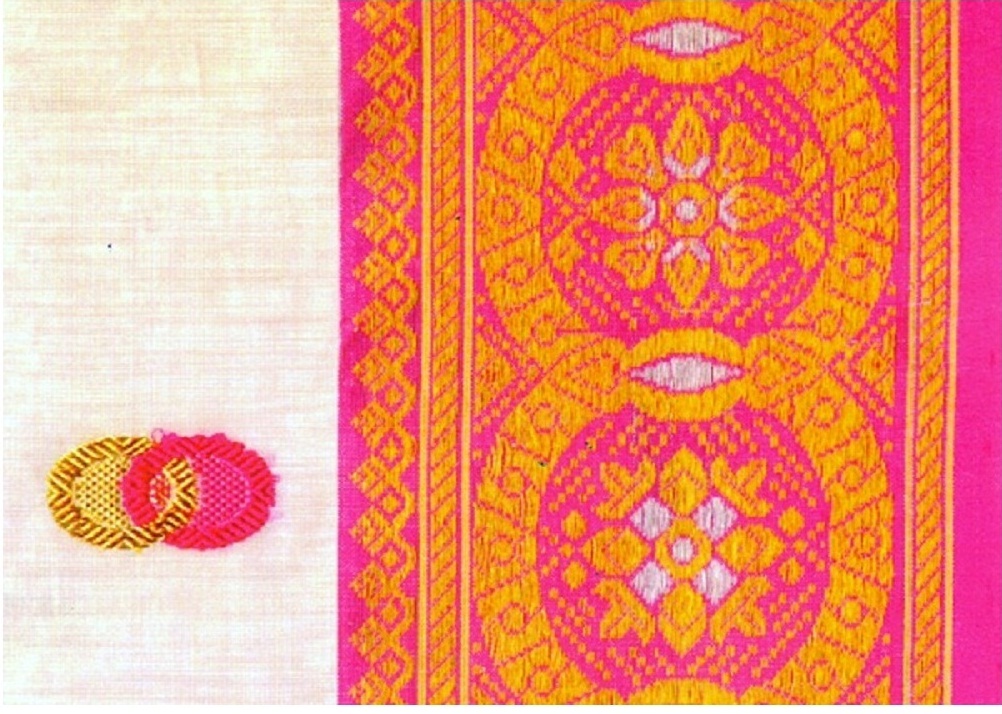
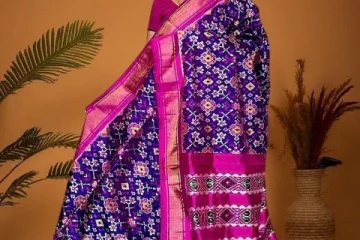
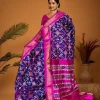
Step into a legacy that spans over 2,200 years. Known as “Woven Air” for its sheer, lightweight, and translucent texture, the Chanderi Silk Saree is the ultimate symbol of understated luxury. Originating from the historic town of Chanderi, these sarees were once the preferred choice of Mughal royalty and Maratha queens. By blending high-quality silk with fine cotton and shimmering zari, Chanderi weavers create a fabric that doesn’t just drape; it floats. Whether it’s the signature “Buttis” (motifs) or the delicate golden borders, every Chanderi saree is a piece of living history.
Why this is different
Historic GI Tag (No. 7): One of India’s first-ever products to receive a Geographical Indication, ensuring the preservation of the unique Chanderi weaving technique.
The “Sheer” Factor: Its unique transparency is achieved by using specialized high-twist silk and fine cotton yarns, creating a fabric that is both breathable and incredibly elegant.
Mughal Heritage: Heavily influenced by Persian art and royal patronage, featuring motifs like the Asharfi (coin), Paan (leaf), and Sada Soubhagyawati (celestial figures).
Versatile Luster: The unique mix of silk in the warp and cotton in the weft gives the saree a natural glossy shine that stays vibrant for decades.
Benefits
The Weaver’s Masterpiece
Chanderi weaving is a labor of love involving up to 30 different artisans for a single saree. By choosing this GI-tagged product, you are:
Supporting 18,000 Artisans: Providing a sustainable livelihood for the traditional weaver communities of the Ashoknagar district.
Promoting Sustainable Fashion: Hand-made on traditional pit looms using natural fibers and eco-friendly dyeing processes.
All-Season Comfort: Unlike heavy silks, Chanderi is incredibly breathable, making it the perfect choice for summer weddings, formal meetings, and festive celebrations.
Feature Specs: Identifying the Variants
Pure Silk Chanderi: A shimmering, lightweight option for high-end luxury.
Silk Cotton Chanderi: The most popular variant, offering the luster of silk with the comfort of cotton.
Chanderi Tissue: Known for its extra-metallic zari work, creating a “liquid gold” effect, perfect for bridal wear.
Specifications
Feature
Details
GI Name
Chanderi Silk Saree
GI Certificate No.
7 (One of India’s earliest)
Authorized Region
Chanderi, Ashoknagar District (MP)
Texture
Sheer, Transparent, and Glossy
Materials
Silk, Fine Cotton, and Zari (Gold/Silver)
Average Weight
400 – 600 grams (Extremely Light)
The Weaving Process
The journey of a Chanderi saree begins with the careful sorting of silk and cotton yarns, which are then dyed using traditional methods. The most critical stage is the Loom Setup, where thousands of threads are hand-arranged. The intricate Buttis are not printed but hand-woven into the fabric using the “extra-weft” technique, meaning each motif is a separate piece of thread woven individually by the artisan.
Identifying Real vs. Fake (Buyer Safety)
Don’t be fooled by power-loom imitations. Here is how to verify a genuine Chanderi:
The Transparency Test: Hold the fabric against the light. A real Chanderi is naturally sheer and transparent. If it’s opaque, it’s likely not authentic.
The Feel of the Motifs: On a genuine hand-woven Chanderi, the Buttis (motifs) will feel slightly raised. If you flip the saree, you should see the loose thread-ends where the weaver started and stopped the motif.
The Luster: Authentic Chanderi has a subtle, natural sheen. Synthetic fakes often have a “plastic-like” or overly metallic shine.
The GI & Handloom Mark: Always look for the official GI Tag and the Handloom Mark of India. Genuine Chanderi is rarely available in harsh, fluorescent colors; it traditionally favors soft, pastel, and earthy hues.
FAQ
Is Chanderi Silk Saree suitable for summers? Absolutely. Its high cotton content and sheer weave make it one of the most breathable traditional Indian fabrics.
How should I care for my Chanderi? Dry cleaning is highly recommended for the first few washes to preserve the zari and the silk luster. Store it wrapped in a soft muslin cloth.
Why are some Chanderi sarees so much more expensive? The price depends on the density of the Buttis and the purity of the zari. A highly intricate saree can take up to 3 months to weave!
Is it 100% Silk? Most Chanderi sarees are a blend of silk and cotton. If you want 100% silk, look for the “Pure Silk Chanderi” or “Pattu Silk” variants.
Quality Guarantee
Sourced directly from the registered weaver cooperatives of Chanderi, each saree comes with the promise of authenticity. We ensure that every piece is inspected for thread count, zari purity, and the traditional “sheer” finish that defines this ancient craft.