

GI Product Official Logo
GI Registration Certificate

Description
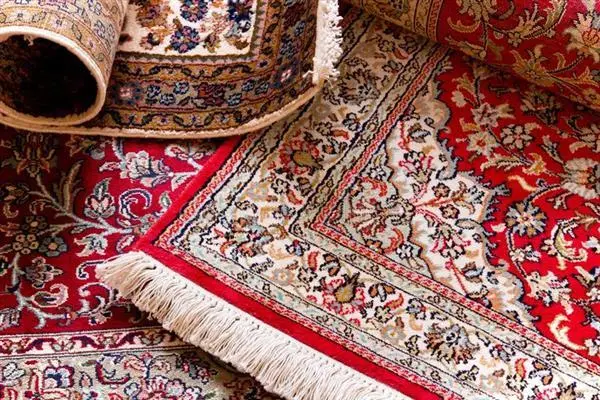
The Kashmiri Hand-Knotted Carpet (locally known as Kal baffi) is not merely a floor covering; it is a labor of devotion that transforms silk and wool into a luminous work of art. Introduced in the 15th century by Sultan Zain-ul-Abidin, these carpets are famous for their astronomical knot density—often exceeding 100,000 knots per square foot. Every carpet is a “coded” masterpiece, woven using the ancient Taleem system, a unique shorthand language that dictates every single knot’s color and placement. With a natural sheen that rivals the morning sun on the Dal Lake, a genuine Kashmiri carpet is an heirloom designed to last for generations.
Why this is different
- Official GI Tag Authentication: Registered under GI Certificate No. 527, ensuring the carpet is an authentic product of the Kashmir Valley’s traditional weaving clusters.
- The “Taleem” Technique: Unlike other carpets woven from visual maps, Kashmiri carpets use a coded script called Taleem. It is almost like a musical score that the weaver “reads” to ensure perfect symmetry and intricate detail.
- High Knot Density (KPSI): Known for having some of the highest Knots Per Square Inch in the world, resulting in incredibly high-definition patterns that look like paintings.
- Luxurious Materials: Crafted using 100% pure Mulberry Silk or fine wool blends, providing a soft, dense texture and a characteristic luminous glow.
Benefits
The Soul of the Valley
A single Kashmiri carpet can take anywhere from 8 months to 2 years to complete. By investing in this GI-tagged masterpiece, you are:
- Supporting 100,000 Artisans: Directly impacting the livelihoods of the specialized weaving communities across districts like Srinagar, Budgam, and Baramulla.
- Preserving Ancient Coding: Sustaining the Taleem writers and weavers who carry a 600-year-old oral and written tradition.
- Investment for Generations: Due to the tightness of the hand-knotted structure, these carpets do not shed and actually become more beautiful and supple as they age.
Feature Specs: The Master’s Variants
- Silk on Silk: The pinnacle of luxury. Both the foundation (warp/weft) and the pile are made of pure silk.
- Silk on Cotton: A durable variant where the intricate silk pile is knotted onto a sturdy cotton foundation.
- Wool-Silk Blend: Offers the warmth and durability of high-quality wool with the shimmering highlights of silk.
Specifications
| Feature | Details |
| GI Name | Kashmiri Hand-Knotted Carpet |
| GI Certificate No. | 527 |
| Authorized Region | All 10 Districts of the Kashmir Valley (J&K) |
| Common Motifs | Tree of Life, Gul-e-Bulbul, Medallions, Hunting Scenes |
| Knot Type | Asymmetrical (Persian) Knot |
| Production Time | 8 Months to 24 Months per unit |
The Taleem System: A Secret Language
The most fascinating aspect of a Kashmiri carpet is the Taleem. A “Taleem Guru” transcribes the design from a graph into a coded script. As the weavers work on the vertical loom, one person calls out the “code”—for example, “Two knots of turquoise, three of saffron”—and the weavers translate this into physical knots with lightning speed. This rhythmic, almost meditative process is what gives the Kashmiri carpet its perfect mathematical precision.
Identifying Real vs. Fake (Buyer Safety)
Don’t be misled by machine-made imitations. Here is how to verify authenticity:
- Scan the GI QR Code: Every authentic Kashmiri carpet now comes with a QR-based GI Label. Scan it with your phone to see the weaver’s details, the knot density, and the materials used.
- The Mirror Test: Flip the carpet over. In a genuine hand-knotted piece, the design on the back should be almost as clear as the front. If the back looks fuzzy or has a mesh/cloth covering, it is likely machine-made or tufted.
- The Flexibility Test: A real silk-on-silk Kashmiri carpet is incredibly supple. You should be able to fold it like a piece of heavy fabric. Machine-made carpets are often stiff due to synthetic glues.
- Check for “Abrash”: Look for very subtle variations in color shades. Since natural dyes are used, these small “imperfections” are actually marks of an authentic, hand-dyed, hand-knotted rug.
FAQ
- Is “Staple” the same as Silk? No. “Staple” is a high-quality synthetic fiber (mercerized cotton/rayon). While beautiful, it does not have the value or longevity of 100% pure Mulberry Silk.
- How do I clean it? Never use harsh chemicals or a standard vacuum with a beater bar. Professional “rug washing” or gentle manual dusting is recommended every few years.
- Why are they so expensive? You aren’t just buying a rug; you are buying 2,000+ hours of human labor. The price reflects the artistry, the cost of pure silk, and the rarity of the Taleem skill.
- Do they fade? Genuine Kashmiri carpets use high-quality dyes that age gracefully. While they should be kept out of direct, harsh sunlight, they are famous for retaining their “glow” for decades.
Quality Guarantee
Sourced directly from the registered artisans of the Kashmir Valley. Every carpet is inspected by the Craft Development Institute (CDI) to ensure it meets the rigorous KPSI (Knots Per Square Inch) standards required for the GI label.
Luxurious. Intricate. Eternal.
Own a Piece of Himalayan History Today