From the “Wine Capital of India” directly to your cellar.
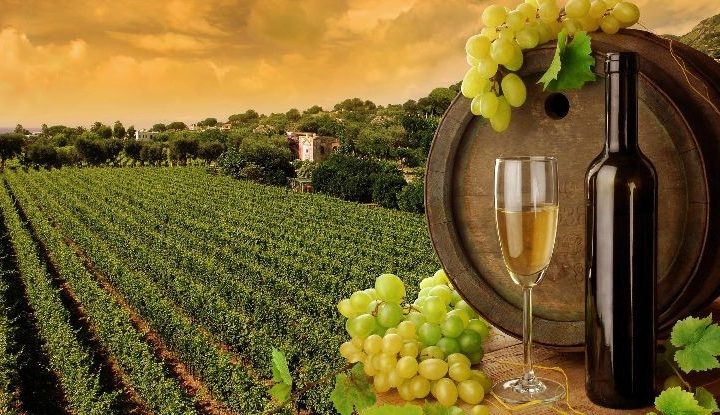
Experience the vibrant energy of India’s most celebrated viticultural region. Nashik Valley Wine is more than just a drink; it is a pioneer’s spirit captured in a bottle. Born from the unique tropical terroir of the Sahyadri slopes, these GI-tagged wines are globally recognized for their refreshing acidity, bold fruit profiles, and world-class craftsmanship. Whether it’s a crisp Chenin Blanc for a sun-drenched brunch or a deep Shiraz for an elegant dinner, Nashik Valley Wine brings the soul of the Sahyadri to your glass.
Why this is different
Official GI Tag Authentication: Registered under GI-123, ensuring every drop is produced within the specific agro-climatic boundaries of the Nashik district.
The “Tropical” Terroir: Unlike European wines, these are shaped by a unique tropical climate with extreme temperature swings (41°C days and 8°C nights), resulting in unparalleled flavor intensity.
High-Altitude Vineyards: Grown at 610–730 meters, the elevation preserves the natural acidity of the grapes, making the wine exceptionally balanced and food-friendly.
Pioneer Pedigree: Sourced from the estates of industry leaders like Sula Vineyards and Grover Zampa, who put Indian wine on the global map.
Benefits
The Vibrant Profile of the Sahyadri
Nashik Valley wines are famous for their “fruit-forward” nature. Because of the abundant sunshine, the grapes reach optimal ripeness, delivering intense aromas of tropical fruits in whites and juicy, jammy berries in reds.
World-Class Quality, Local Roots
By choosing GI-tagged Nashik Valley Wine, you are:
Supporting 2.5 Lakh Farmers: Directly impacting the livelihoods of small-scale horticulture farmers and tribal workers in the region.
Promoting Sustainable Viticulture: Most Nashik wineries use modern, water-efficient drip irrigation and sustainable estate-based farming.
Tasting the Origin: Every bottle reflects the specific soil profile of talukas like Dindori and Niphad, which are unmatched anywhere else in India.
Feature Specs: Choose Your Varietal
The Crisp Whites (Chenin & Sauvignon Blanc): Light, aromatic, and high in acidity. Featuring notes of green apple, lime, and guava. Best for: Indian spicy cuisine and appetizers.
The Bold Reds (Shiraz & Cabernet): Medium-to-full-bodied with smooth tannins. Expect flavors of black pepper, plum, and dark chocolate. Best for: Grilled meats and rich stews.
The Celebratory Sparkling: Crafted using both traditional and Charmat methods for fine, persistent bubbles and a crisp finish. Best for: Toasting milestones and celebrations.
The Golden Dessert Wine: Late-harvest varieties that are rich, honeyed, and decadent. Best for: Pairing with fruit-based desserts or blue cheese.
Specifications
Feature
Details
GI Name
Nashik Valley Wine
GI Certificate No.
GI-123
Category
Agriculture (Class 33 – Alcoholic Beverages)
Authorized Region
Nashik District, Maharashtra
Key Soil Type
Diverse volcanic and alluvial profiles
Standard Production
9–12 months from harvest to bottling
Use Cases & Tasting Ritual
The Vineyard Experience at Home
To fully appreciate a Nashik Valley White, serve chilled at 8–10°C. For Reds, serve at a slightly cool room temperature (16–18°C) to allow the fruit aromas to open up.
The Perfect Pairing
Nashik Valley Chenin Blanc is legendary for how it cuts through the heat of Indian curries. Meanwhile, a Nashik Shiraz is the perfect companion for a spicy tandoori platter.
The Gift of Modern Heritage
As a part of the One District One Product (ODOP) initiative, a bottle of Nashik Valley Wine is a prestigious gift for corporate events, weddings, and international guests.
FAQ
How do I know the wine is genuine Nashik Valley? Look for the “Nashik Valley” designation on the label and the official GI logo. Authentic bottles will also feature mandatory FSSAI registration and producer details (e.g., Sula, Soma, or Grover Zampa).
Does Indian wine age as well as European wine? While most Nashik Valley wines are designed to be enjoyed young and fresh to capture their fruitiness, “Reserve” collections are crafted for aging over 3–5 years.
Why is Nashik called the “Wine Capital of India”? Nashik produces over 80% of India’s wine and houses over 50 wineries, thanks to its ideal “tropical-dry” climate.
How should I store my wine? Store bottles horizontally in a cool, dark place away from direct sunlight and vibration to prevent the cork from drying out.
Quality Guarantee
Each bottle undergoes rigorous quality checks and adheres to the strict production standards set by the GI registry. From hand-harvesting to temperature-controlled fermentation, we ensure the “Spirit of Nashik” is preserved in every sip.