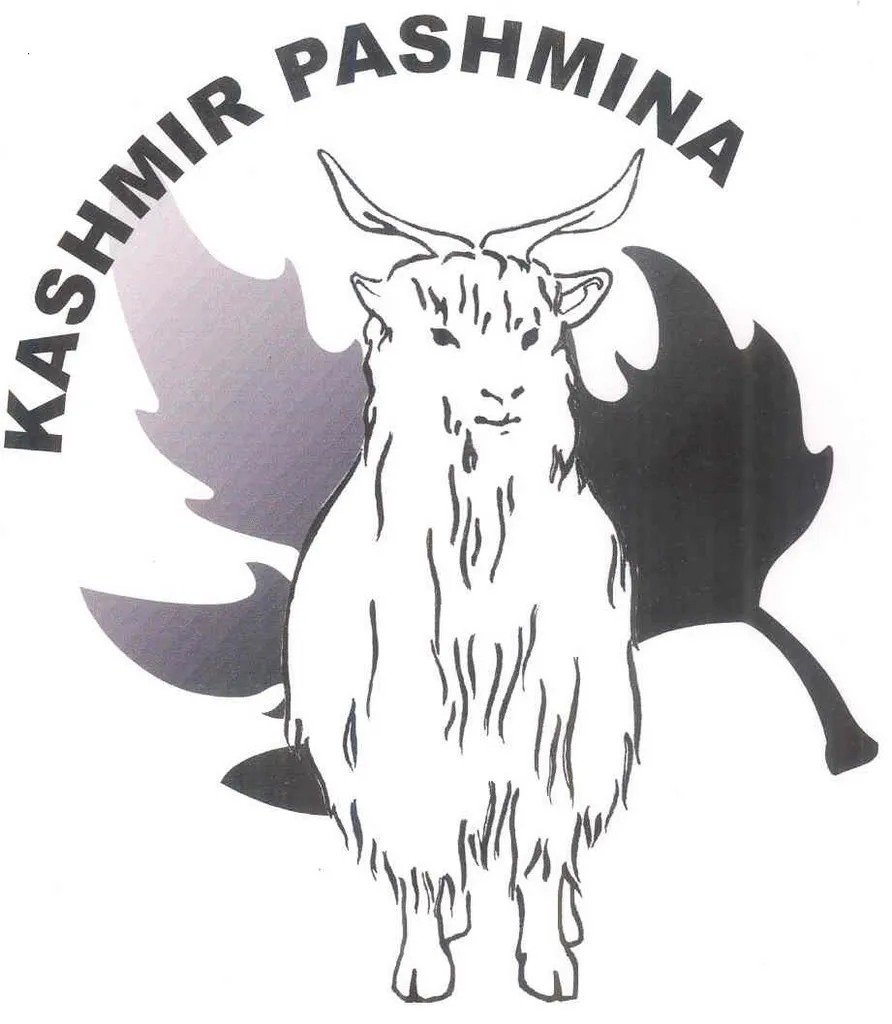
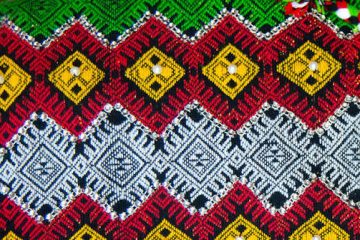
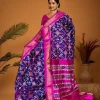
Kashmir Pashmina is not just a fabric; it is a legacy. Woven from the delicate undercoat of the Changthangi goat found in the high-altitude plateaus of Ladakh, this “Diamond of Fibers” has been a symbol of royal luxury since the Mughal era. Every authentic piece is a testament to the patience of Kashmiri artisans who hand-spin and hand-weave fibers thinner than a human hair.
GI Authentication & Quick Facts
When you buy Kashmir Pashmina from Gitag Bazaar, you are supporting a protected tradition. Here are the official registration details:
| Feature |
Details |
| GI Name |
Kashmir Pashmina |
| GI Certificate No. |
GI-97 (Registration No. 46) |
| Status |
Registered & Active |
| Category |
Handicraft (Textiles / Clothing) |
| Authorized Region |
Kashmir Valley, J&K (Srinagar, Budgam, etc.) |
| Fineness |
Maximum 16 Microns (Ultra-fine) |
| Registered Under |
TAHAFUZ (J&K Societies Act) |
Why It’s Unique
Kashmir Pashmina is distinct from generic “Cashmere” or machine-made wool. Its quality is dictated by the extreme environment of the Himalayas (600–2,000 meters).
-
Natural Insulation: The goats grow this fine undercoat to survive temperatures of -40°C.
-
The 16-Micron Standard: Authentic Pashmina fibers range between 12–16 microns (a human hair is about 70 microns).
-
Feather-Light: A full-sized shawl is so lightweight and fine it can traditionally be pulled through a wedding ring.
-
Artisanal Variants: * Kani Pashmina: Woven using tiny wooden sticks (kanis) instead of shuttles.
-
Sozni Pashmina: Features intricate hand-embroidery.
-
Raw/Natural: Undyed, reflecting the earthy tones of the Changthangi goat.
From Mountain to Masterpiece
The creation of a single Pashmina shawl is a slow, meditative process involving dozens of skilled hands.
-
Combing: Instead of shearing, the wool is manually combed from the goats during their spring molting season.
-
Hand-Spinning: Women artisans use a traditional spinning wheel (Charkha) to turn the delicate bulk wool into yarn.
-
Hand-Weaving: Master weavers use handlooms to create the fabric, a process that can take weeks.
-
The SFAL Tag: Once tested for purity, officials embed a Secure Fusion Authentic Label (SFAL). This tag contains nanoparticles (microttagant) visible only under UV light to guarantee 100% purity.
How to Spot the Real Deal
The market is flooded with “Pashmina-style” acrylic blends. Here is how to ensure your purchase on Gitag Bazaar is authentic:
-
Check the Label: Look for the official GI logo and the SFAL tag.
-
The Burn Test: If you (carefully) burn a loose thread, it should smell like burnt hair and turn into powdery ash—not a hard plastic bead.
-
The Texture: Genuine Pashmina has a soft, matte finish and a slight, natural irregularity in the weave (a sign of hand-weaving).
-
The Price: If a “Pure Pashmina” shawl is priced like a cotton scarf, it’s likely a fake. Authentic pieces start around ₹8,000 and can exceed ₹1,00,000 for intricate Kani work.
Impact & Heritage
By choosing GI-tagged Kashmir Pashmina, you directly support:
-
50,000+ Artisans: From the nomadic Changpa herders of Ladakh to the master weavers of Srinagar.
-
Sustainable Fashion: A 100% natural, biodegradable fiber that lasts for generations.
-
Cultural Preservation: Keeping the 16th-century Mughal-era craftsmanship alive in the modern world.